
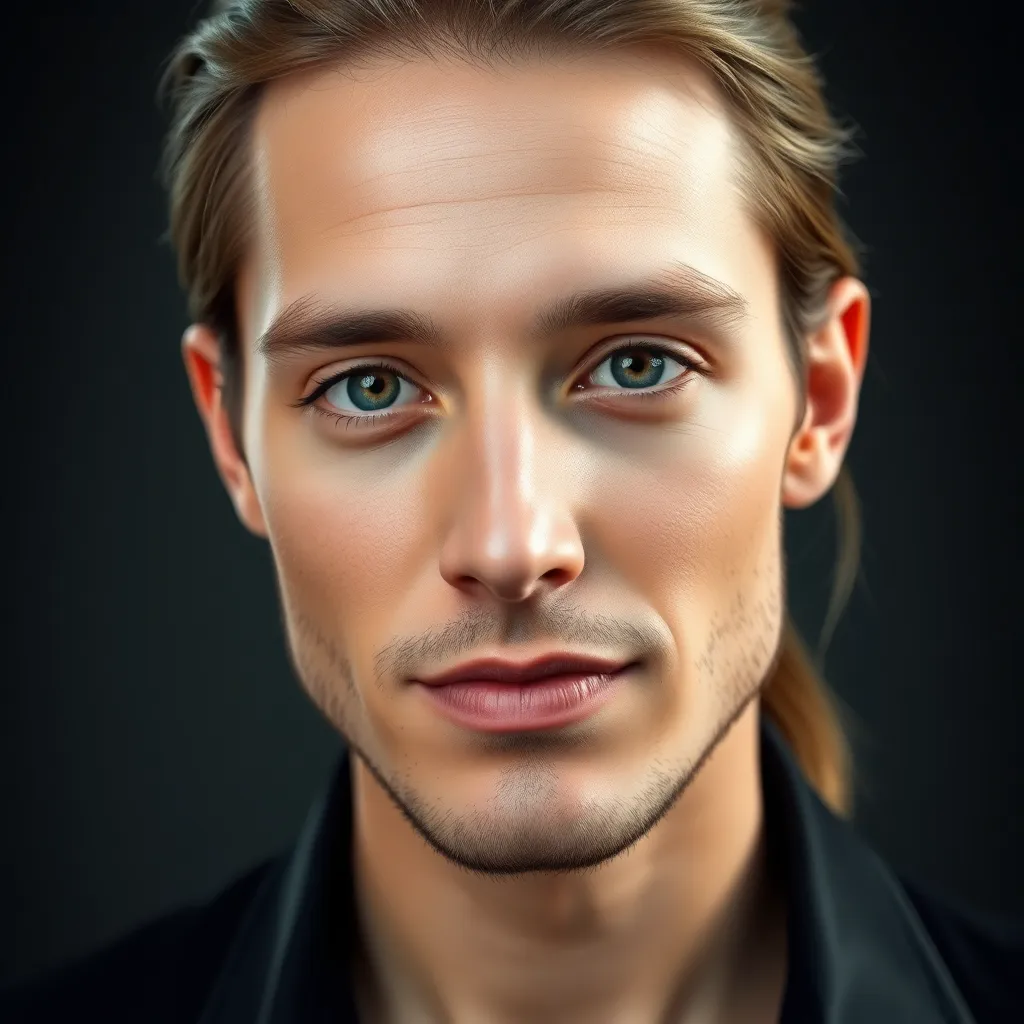
In a world where creativity knows no bounds, ChatGPT is stepping up its game by diving into the colorful realm of image creation. Imagine having a digital artist at your fingertips, ready to whip up visuals that can make even Picasso raise an eyebrow. It’s not just about words anymore; it’s about bringing ideas to life in vivid detail.
Table of Contents
ToggleWhat ChatGPT Can Make Images
ChatGPT creates images through advanced algorithms that interpret text prompts. These prompts can range from simple descriptions to elaborate scenes. Users provide input, and the AI transforms them into original visuals. The system uses deep learning techniques to bring forth artistic renderings that align with the given descriptions.
Matching creativity with precision distinguishes this technology. Generative design principles guide ChatGPT, allowing it to produce stunning graphics. Various styles, from realistic to abstract, are possible with diverse prompts. Users have reported satisfaction with the detail and vibrancy of the generated images.
Facilitating artistic expression influences many creative fields. Designers and content creators benefit from ChatGPT’s ability to generate concept art and marketing visuals. The approach to image generation opens new avenues for industry professionals and hobbyists alike.
Parameter adjustments can further refine the output. Specifications like color palette, composition, and style enhance the image quality. Exploring different configurations helps users achieve desired results efficiently.
Collaboration between users and ChatGPT encourages innovation. By giving feedback, users directly influence the creativity of the generated images. This interaction fosters a unique partnership, resulting in personalized artistic creations.
ChatGPT continues to evolve, incorporating user insights to enhance its capabilities regularly. As technology develops, users can expect even more sophisticated image generation features. Constant advancements show promise for more nuanced artistic outputs in the future.
Understanding ChatGPT’s Capabilities
ChatGPT showcases impressive image generation capabilities that elevate creative expression. This technology enables users to create visuals effortlessly through intuitive processes.
Image Generation Process
The image generation process begins with a user’s text prompt. Users describe their vision, and the AI interprets these instructions to create unique images. Advanced algorithms facilitate this transformation, employing deep learning techniques. Generative design principles guide the output to match various artistic styles. Precision in detail allows for both realistic and abstract interpretations. By adjusting factors such as composition, users influence the final visual, ensuring alignment with their creative goals. Each interaction enhances user collaboration, fostering a more tailored outcome.
Tools Used in Image Creation
Innovative tools play a critical role in ChatGPT’s image creation capabilities. Technologies include neural networks that power the underlying algorithms. These sophisticated frameworks analyze input data and generate visuals. Various software libraries support the process, enhancing functionality and quality. User interfaces streamline input specifications and facilitate user engagement. Certain platforms also allow further refinement of generated images, increasing versatility. As technology evolves, tools used in image creation will continually improve, broadening possibilities for users.
Applications of ChatGPT in Image Making
ChatGPT serves diverse applications in image creation across various fields. Its technology empowers users to explore limitless creative possibilities while enhancing practical learning experiences.
Creative Industries
Creative industries leverage ChatGPT’s image generation capabilities for concept art, marketing strategies, and branding efforts. Designers rely on the AI’s ability to produce visuals that align with specific creative visions and themes. Artists generate unique images by providing tailored text prompts, allowing for rapid iteration on projects. Advertising agencies utilize ChatGPT to create engaging social media visuals that resonate with target audiences. By refining color palettes and styles, users can achieve precisely crafted outputs. This collaboration between AI and human creativity fosters innovation, encouraging exploration of new artistic directions and elevating overall quality in creative outputs.
Educational Purposes
In educational settings, ChatGPT enhances learning experiences through visual aids. Students utilize the technology to generate illustrations for presentations, making complex concepts easier to understand. Educators incorporate ChatGPT-generated images into their lessons, increasing engagement and retention among learners. Additionally, learners develop critical thinking skills as they refine prompts to produce desired outcomes. The AI facilitates collaboration in group projects, allowing students to visualize ideas quickly. By bridging the gap between text and visuals, ChatGPT supports a dynamic educational environment that thrives on creativity and clarity.
Limitations and Challenges
ChatGPT’s image generation capabilities, while impressive, do face limitations and challenges that affect users’ experiences.
Quality of Generated Images
Generated images sometimes lack clarity and detailed accuracy. Users may notice inconsistencies in textures or proportions, which can detract from the overall quality. Some outputs appear more abstract than intended, leading to potential misinterpretations of user prompts. Enhancements through parameter adjustments can improve results, yet achieving perfection remains challenging. Variability in artistic styles leads to mixed results; certain styles may resonate better than others. As technology develops, improvements in image quality are expected, though immediate perfect outputs are not guaranteed.
Ethical Considerations
Ethical implications arise as ChatGPT generates images based on user input. Potential for misuse exists when creating misleading or harmful visuals. Attribution issues can lead to copyright complications, especially with original art styles. Users must consider the moral responsibility involved in utilizing AI-generated images. Establishing boundaries and guidelines is crucial to mitigate these risks. Encouraging ethical usage ensures that creativity flourishes within appropriate limits, promoting responsible innovation in image creation.
Future Prospects of Image Generation
Image generation technology continues to advance, driven by the evolution of ChatGPT. Enhanced algorithms lead to improved creativity and precision in visuals. As users increasingly engage with the platform, an expansion of artistic styles and applications occurs. Different industries are likely to benefit, with potential uses spanning advertising, entertainment, and education.
User experiences will play a critical role in the refinement of image generation tools. Feedback from individuals shapes the development of features that enhance customization and quality. Innovative interfaces, designed for easier interaction, may promote collaboration between users and the AI, resulting in creative solutions. Real-time adjustments empower users, allowing for a fusion of ideas and unique artistic expressions.
The integration of new technologies, such as advanced neural networks, could further revolutionize image creation. Efficiency improvements are expected, especially in how quickly and accurately AI translates text prompts into images. Emerging trends indicate a push for more intuitive processes, making visual creation accessible to a broader audience. Accessibility might enable both industry professionals and hobbyists to bring their visions to life.
Ethical considerations will remain significant as the technology develops. Establishing guidelines for responsible use ensures that innovation proceeds without exploitation. Communities may collaborate to navigate potential challenges, fostering a culture of ethical creativity. Responsible advancements promise to balance artistic freedom with integrity, shaping a future where image generation thrives in positive and constructive ways.
ChatGPT’s image generation capabilities represent a significant leap in creative technology. By transforming text prompts into vivid visuals it empowers users across various fields to explore new artistic horizons. The collaboration between users and AI fosters innovation while enhancing the quality of outputs.
As the technology continues to evolve it promises even greater precision and creativity. Future advancements will likely broaden its applications making image creation more accessible and efficient. However ethical considerations must remain a priority to ensure responsible use. Balancing creativity with integrity will shape the future of image generation and its impact on industries and education alike.


